
What Do Kids Eat in India? Managing Food Comfort and Safety
What do kids eat in India? Learn how to balance Western comfort food, mild Indian dishes and practical food safety tips.
INDIAINSPIRE MEASIA
3/28/20264 min read
Some links in this post are affiliate links. If you book through them, we may earn a small commission — at no additional cost to you. We only recommend hotels, tours, and experiences we’ve personally used and loved.
One of the most common questions parents ask before travelling is: What will my child actually eat in India?
Closely followed by:
Is the food too spicy for kids?
Will there be Western options available?
How do we avoid stomach issues?
The good news is this: on a Golden Triangle itinerary (Delhi → Agra → Jaipur), food is far easier to manage than most parents expect. The key is understanding where to eat, what to order, and how to balance comfort with cultural exposure.
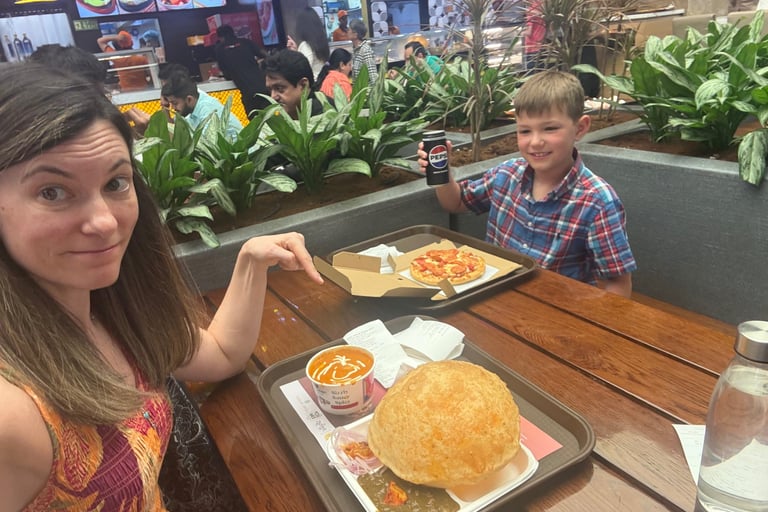
First, the Reality: Hotels Make This Easy
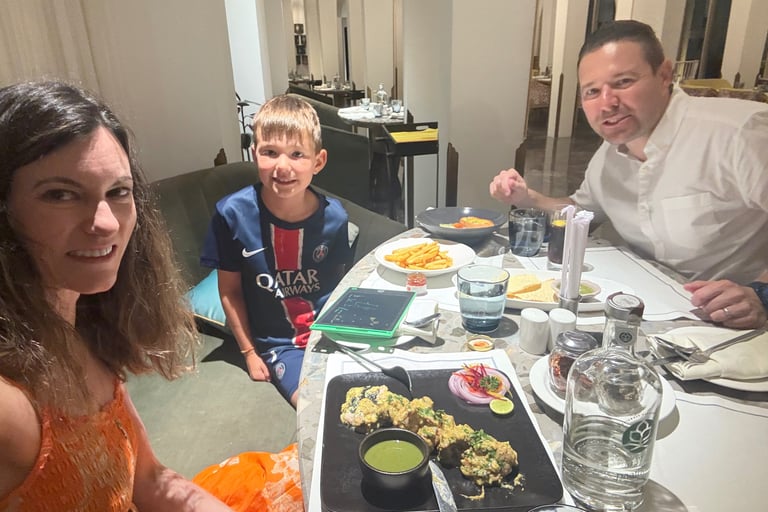
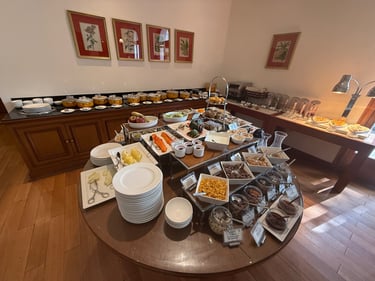
In major cities and established tourist routes, reputable hotels cater heavily to international guests.
At mid-range and higher-end properties, you’ll typically find:
Full breakfast buffets
Fresh fruit and yoghurt
Eggs cooked to order
Toast, pastries and cereal
Pancakes or waffles
Juices & Milkshakes
Coffee and tea stations
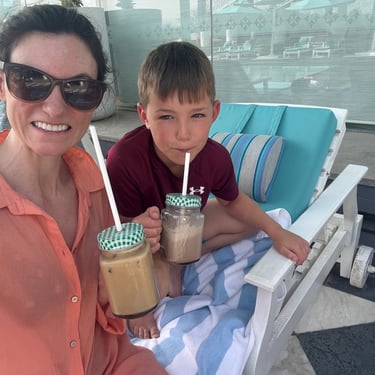
In every city we visited, there were substantial Western options available alongside Indian dishes. At breakfast especially, children are well covered. Milkshakes were a consistent favourite, along with fresh breads and made-to-order eggs. You are not relying on street stalls or unfamiliar dishes for every meal.
Our family friendly hotel recommendations can be found here: Family-Friendly Hotels Along India’s Golden Triangle: Unique Stays in Delhi, Agra & Jaipur.
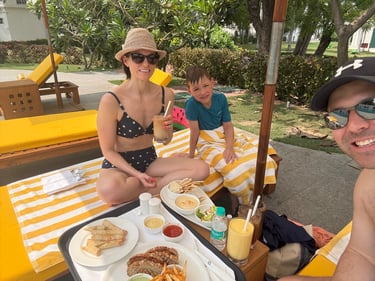
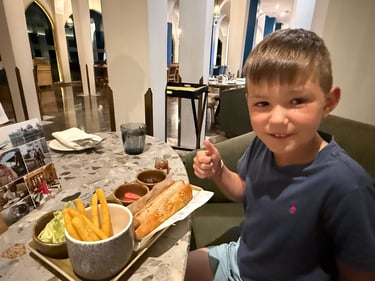
Indian Food Is Not Automatically “Too Spicy”
There’s a common misconception that all Indian food is fiery.
In reality:
Many dishes are mild by default.
Spice level can usually be adjusted on request.
Hotels and established restaurants are used to cooking for families.
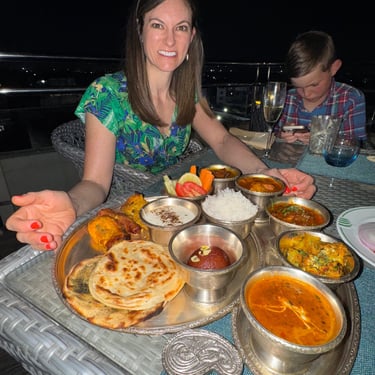
If your child wants to try Indian food, start with:
Plain naan or roti (Indian breads)
Mild butter chicken
Dal (lentils)
Jeera rice (cumin rice)
Paneer dishes
Indian breads in particular tend to be a hit with children. Soft naan and layered paratha are familiar in texture and easy to pair with mild curries or plain yoghurt. You can simply say “not spicy” when ordering. Most restaurants understand this clearly.
What Kids Actually Tend to Eat
In practice, most children alternate between:
Breakfast: Western buffet items, smoothies, cereals, breads, eggs, fruit.
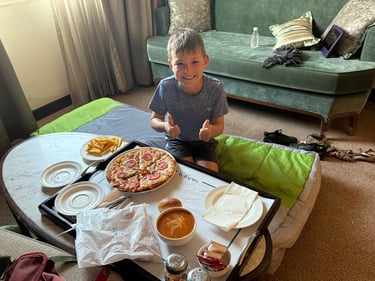
Lunch: Hotel restaurant food, sandwiches, mild Indian dishes, pasta, rice-based meals.
Dinner: A mix of Indian and familiar options, depending on energy levels.
Many hotels in Delhi, Agra and Jaipur offer multi-cuisine menus that include:
Pasta
Pizza
Breaded fish
Grilled chicken
Fried rice
Simple noodle dishes
You are not limited to one cuisine.
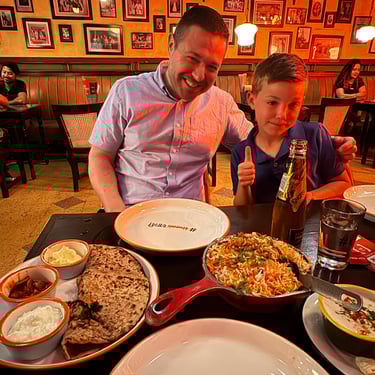

Managing Food Safety with Kids
Food safety in India is more about hygiene standards than cuisine type.
To reduce risk:
Stick to reputable hotel restaurants or well-reviewed venues.
Avoid street food with children.
Drink bottled or filtered water.
Skip ice unless you’re confident in the source.
Wash or sanitise hands before eating.
Busy, established restaurants are generally safer than empty ones.
If you want to read about our experience: Food Safety in India: The Sugar Cane Juice That Took My Husband Out for Three Days
Should You Avoid Indian Food Entirely?
No. There’s no need to default to Western food for every meal. Trying Indian dishes in controlled environments — particularly hotel restaurants — allows children to experience local flavours without unnecessary risk. Encourage sampling rather than full commitment. A shared mild curry with extra naan on the side often works well. Let your child control how adventurous they want to be. The goal is exposure, not pressure.
What About Allergies or Dietary Needs?
If your child has food allergies:
Inform the hotel clearly in writing.
Repeat requests verbally when ordering.
Carry allergy translation cards if necessary.
Larger hotels are accustomed to accommodating dietary restrictions, but communication should be direct and clear. Vegetarian options are widely available across India.
How School-Age Children Experience Food in India
What they often enjoy:
Fresh breads
Milkshakes
Sweet lassi
Rice-based dishes
Butter-based mild curries
What can feel unfamiliar:
Strong spice aromas
New textures
Buffet-style breakfast spreads
What surprised us as parents is how quickly familiarity develops. By the second or third day, breads and milkshakes often become routine favourites.
The Bigger Picture: Comfort vs Cultural Exposure
Food is one of the areas where parents worry most — and where hotels reduce most of the stress.
On the Golden Triangle route especially, you can:
Lean on Western comfort food when needed
Gradually introduce mild Indian dishes
Maintain hygiene standards
Avoid unnecessary risks
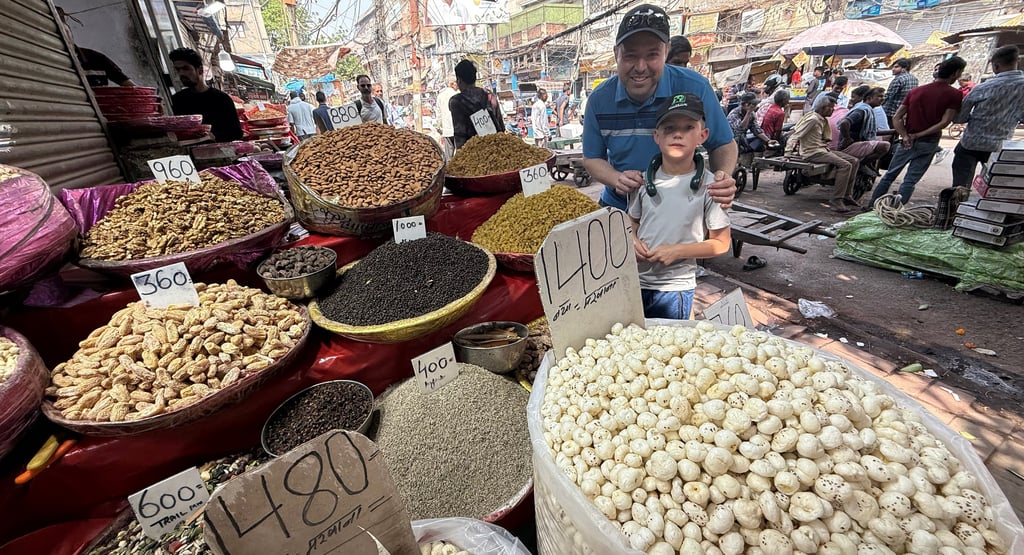
Your child does not need to eat street food to experience India.
And they don’t need to eat pizza every night either. With thoughtful choices, food becomes part of the adventure — not a source of anxiety.
Food on Trains: Something we were not expecting
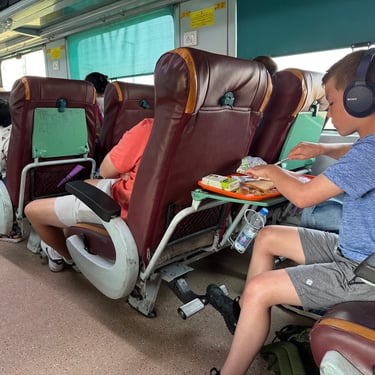
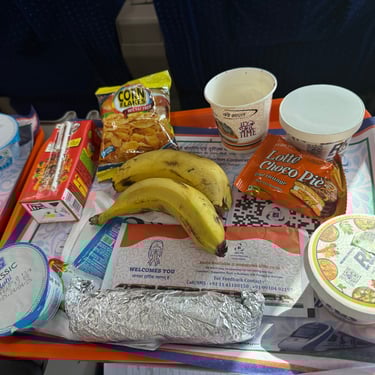
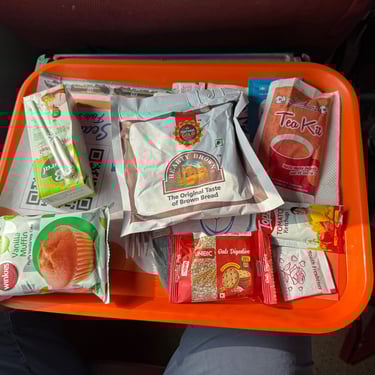
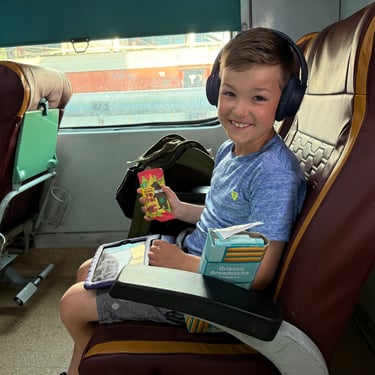
On most long-distance trains in India, especially in first-class or executive chair car, food is typically included in the ticket price. Meals and drinks are served at your seat by onboard staff, usually starting with tea or coffee and snacks, followed by a hot meal later in the journey. The food is simple but generally good — often a choice of vegetarian or chicken curry with rice, bread and sides. For families, this makes train travel much easier, as you don’t need to pack meals or search for food during the journey. That said, if your child is a picky eater, it’s still worth bringing a few familiar snacks just in case.
If you are still deciding between car or rail travel in India, see: Train vs Car for the Golden Triangle: What Works Best for Families?
Final Reassurance: Will My Child Go Hungry?
Highly unlikely.
Between hotel breakfasts, flexible restaurant menus and mild Indian options, children have plenty of accessible choices. India’s cuisine is diverse, adaptable and far more flexible than its reputation suggests. With a little planning, most families find food becomes one of the most enjoyable — and manageable — parts of the trip.
Planning the Bigger Picture?
If you're building a full Delhi → Agra → Jaipur route, it helps to see how this stop fits into the wider journey. For a structured day-by-day plan with pacing guidance, train advice and hotel recommendations, read: A Practical 10–14 Day Family Golden Triangle Itinerary (Delhi → Agra → Jaipur)
Still deciding whether this route works for your family overall? Is the Golden Triangle Good for Kids? What Parents Should Know Before Visiting India
Seeing the full framework often makes the individual destination decisions much easier. And for broader planning support — including safety, food, visas, budgeting and destination guides — visit our full India Family Travel Hub. Seeing the full framework often makes the individual destination decisions much easier.