
Budget vs Luxury Travel in India with Kids: Where Comfort Really Matters
How much comfort do families need in India? Compare budget vs luxury travel across the Golden Triangle and where spending more helps.
INDIAASIA
4/8/20264 min read
Some links in this post are affiliate links. If you book through them, we may earn a small commission — at no additional cost to you. We only recommend hotels, tours, and experiences we’ve personally used and loved.
India is often described as one of the most affordable destinations in the world. And technically, that’s true. You can travel through the Golden Triangle for surprisingly little if you’re willing to move quickly and keep things simple.
But travelling with children changes the equation slightly. What feels adventurous as a couple can quickly become exhausting with a school-age child. The key question becomes less about the cheapest possible trip and more about where spending a little more actually improves the experience for families.
Our First Trip: India on a Shoestring
Mark and I actually visited the Delhi → Agra → Jaipur Golden Triangle about ten years ago, long before Joshua was born. That trip was very much a backpacker-style experience. Everything was arranged through a local tour operator and the whole journey lasted just three days.
The price at the time was £360 for the two of us, which included:
basic hotels
bumpy transport between cities by car
a guide organising the main sights
It was incredible value and gave us a great introduction to India. But looking back, it was also fast-paced and quite intense. We spent a lot of time moving between places and very little time actually relaxing.
At the time that felt like part of the adventure. With a child, the priorities change.
How We Planned the Trip with a Child
When we returned to India with Joshua in 2025, we deliberately planned the trip very differently.
Instead of trying to see everything quickly, we focused on:
slower travel days
comfortable hotels
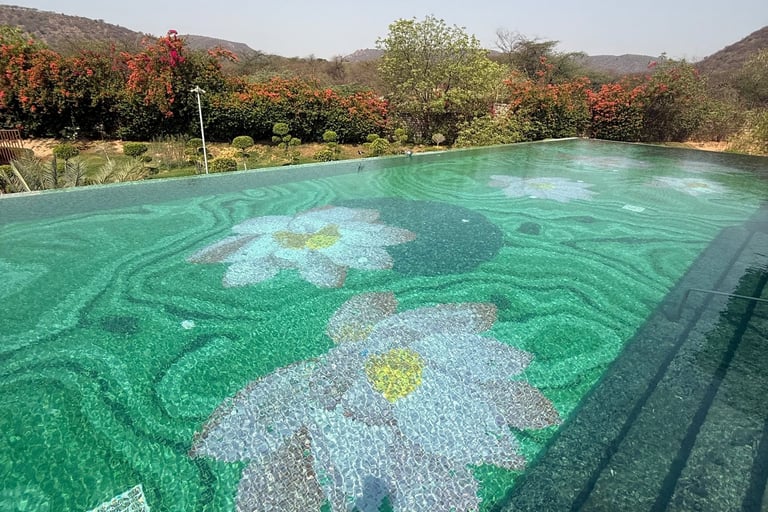
pools for downtime
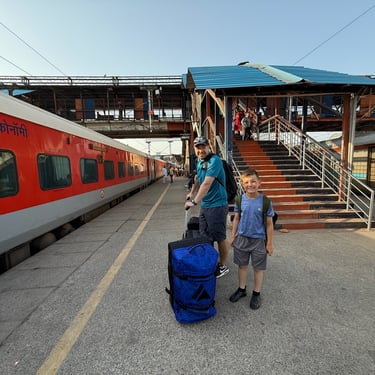
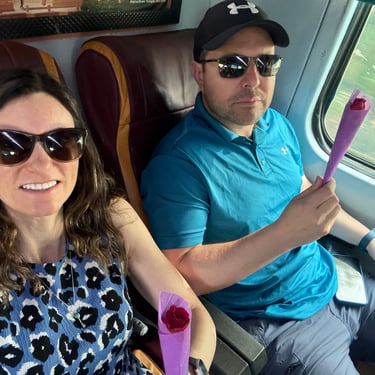
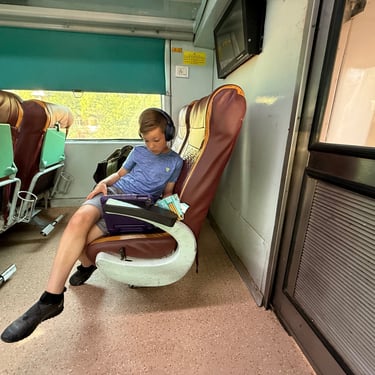
prioritising faster train travel
family-friendly room setups
We also organised much of the trip ourselves rather than booking a full package.
Our private driver, guides and train tickets across the Golden Triangle cost around £160 per person, which handled all of the transport logistics.
If you want to compare travel options in more detail, see: Train vs Car for the Golden Triangle: What Works Best for Families?
Where We Chose to Spend More
The biggest difference compared with our first trip was accommodation. Across the journey we spent £1,877.35 on hotels across a 10 day trip, all booked independently.
The key features we prioritised were:
swimming pools
breakfast included
larger rooms
quiet environments after busy sightseeing days
For example:
Maidens Hotel offered gardens and a pool which created a calm base in busy Delhi.
Tajview Agra gave us the chance to stay somewhere with views of the Taj Mahal, which felt like a once-in-a-lifetime experience.
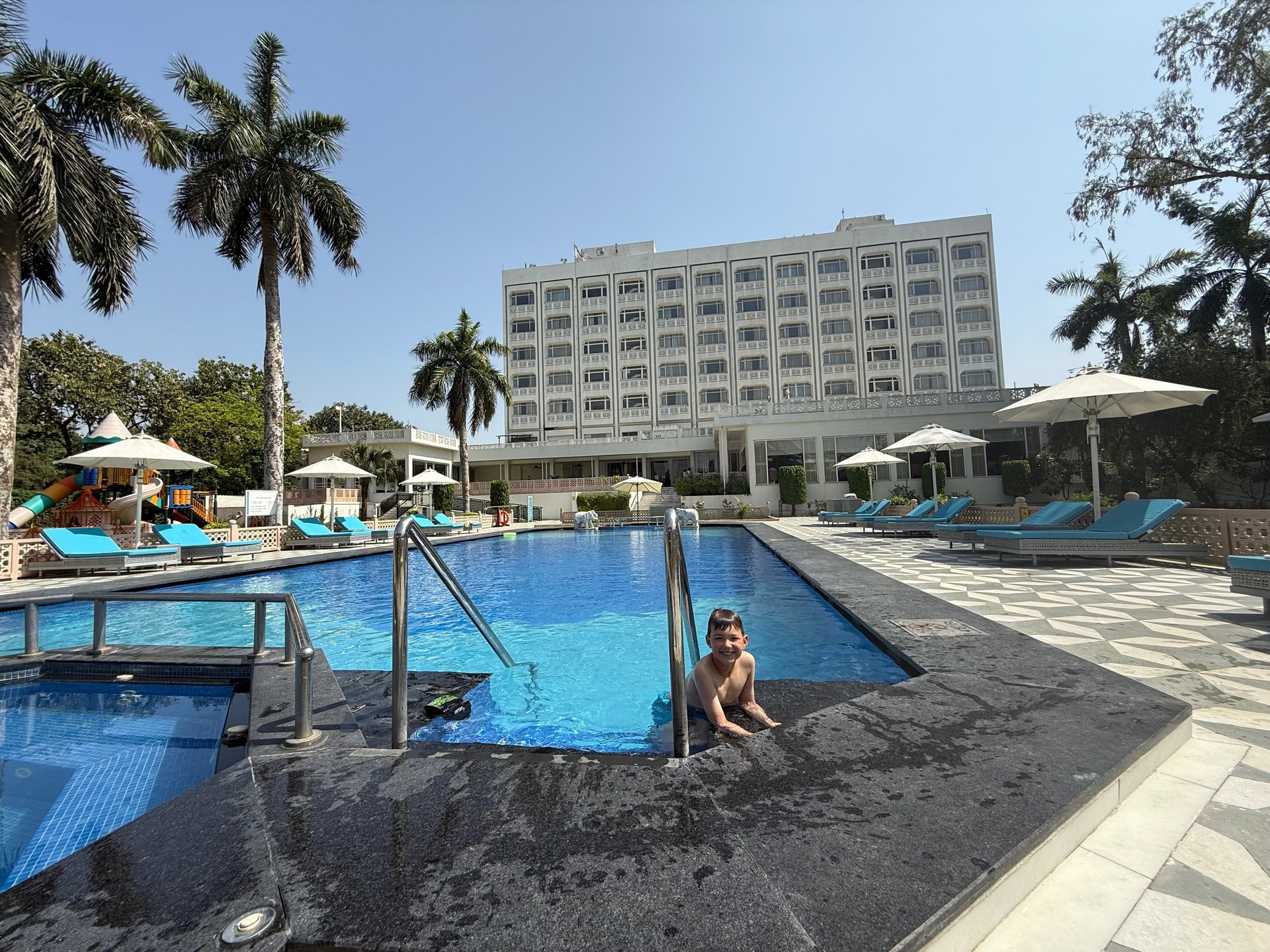
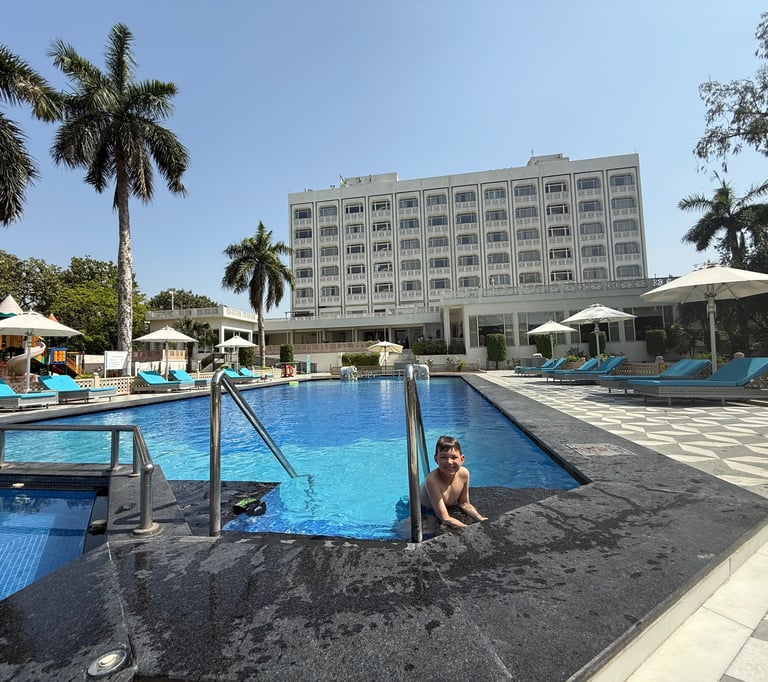
Taj Devi Ratn Resort & Spa had a pool, games room and half-board dining, which made evenings much easier with a child.
Alof Aerocity New Delhi offered a different view of Delhi and a convenient location for our return trip to the airport
These kinds of comforts might not matter as much on a backpacking trip, but with children they can make the difference between a tiring day and a balanced one. For a full comparison of our hotel stays in India, see: Family-Friendly Hotels Along India’s Golden Triangle
Why Pools Matter More Than You Expect
One of the biggest lessons from travelling India with kids is how valuable downtime becomes. Most sightseeing happens in the morning because of the heat and crowds. After visiting places like the Taj Mahal or the Amber Fort, everyone benefits from a few hours to relax.
Having a pool at every hotel meant we could structure our days like this:
Morning: sightseeing
Afternoon: pool and rest
Evening: dinner and early night
That rhythm worked extremely well with a child.
Where Budget Travel Still Works
Despite upgrading accommodation, many parts of India are still very affordable. Food outside hotels is inexpensive, monument tickets are modest and transport costs remain low compared with many countries.
For example:
Agra Fort entry costs around ₹650 (~£6.50)
Jantar Mantar Jaipur costs around ₹200–₹300 (~£2–£3)
This means you can choose where to spend and where to save.
If you want to know exactly what we spent, see: How Much a 10-Day Golden Triangle Family Trip Costs (With Real Numbers)
Luxury in India Doesn’t Always Mean Expensive
One of the most interesting things about travelling in India is that luxury can still be relatively affordable compared with many destinations.
Upgrading to hotels with:
pools
family-friendly facilities
better locations
often adds comfort without dramatically increasing the overall budget. For us, the extra spend made the trip far more relaxed and enjoyable with a child.
The Real Lesson
India can absolutely be done on a tight budget. But when travelling with children, the goal usually shifts from seeing the most for the least money to creating a pace that keeps everyone happy. Spending a little more on the right things — especially hotels and downtime — can make the entire trip feel smoother.
Before you zip your suitcase, check our complete family packing checklist for India to make sure you don’t miss the small items that make a big difference when travelling India with kids.
If you're still deciding whether the route works for your family, start here: Is the Golden Triangle Good for Kids? What Parents Should Know Before Visiting India
And if you're planning your route day-by-day: A Practical 10–14 Day Family Golden Triangle Itinerary (Delhi → Agra → Jaipur)