
What to Pack for India With Kids: A Family-Friendly Packing List
Heading to India with kids? Discover our complete family-friendly packing list, including clothes, shoes, swimwear, travel essentials, and tips to make your family holiday stress-free and fun.
FAMILY TRAVEL PLAYBOOKINDIAASIA
4/7/20267 min read
Some links in this post are affiliate links. If you book through them, we may earn a small commission — at no additional cost to you. We only recommend hotels, tours, and experiences we’ve personally used and loved.
What Families Actually Need for a Golden Triangle Trip
Planning a family trip to India can feel exciting but also slightly daunting. Between navigating the busy streets of Delhi, watching the sunrise over the Taj Mahal, exploring Jaipur’s forts and riding trains between cities, plus downtime at the hotel pool, there’s a lot to think about.
The reality is that India is manageable with kids if you pack practically. Most things can be bought locally if needed, but having the right basics makes a big difference when you’re dealing with heat, early starts, crowds and long sightseeing days.
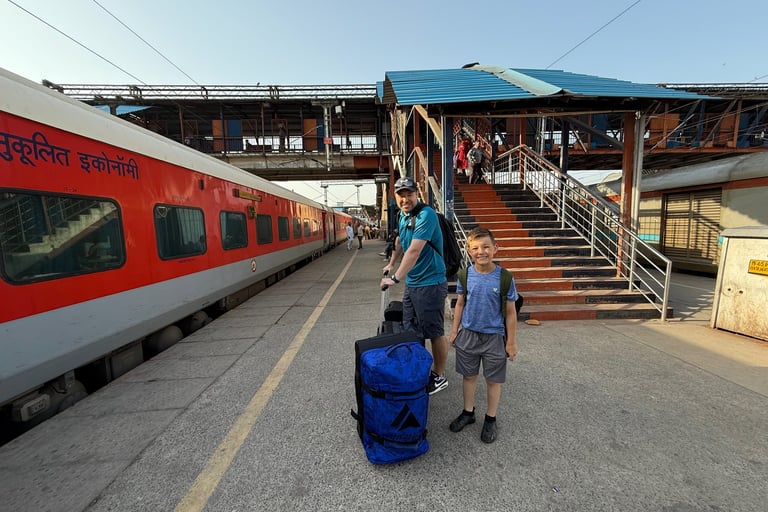
After travelling the Delhi → Agra → Jaipur Golden Triangle with Joshua, these are the items that genuinely made the trip smoother. Below is a simple breakdown of essentials vs optional extras, based on what families actually use.
If you're still planning your route, see:
Essentials for Family Travel in India
These are the items that genuinely make sightseeing days easier.
Clothing & Layers
India’s climate varies depending on season, but much of the Golden Triangle is hot and sunny for much of the year. You’ll spend a lot of time outdoors visiting sites such as Qutub Minar, Taj Mahal and Amber Fort, so comfortable clothing is essential.
We packed:
Lightweight shorts, t-shirts and dresses
A light jumper or cardigan for cooler mornings or air-conditioned spaces
Comfortable walking shoes
Hats and sunglasses for sun protection
If you’re visiting religious sites or temples, shoulders and knees should be covered, so packing one modest outfit is useful. For women having a scarf will come in helpful.
Tip! For hot days, for kids, we found it useful to have these to hand:
Pool & Beach Day Essentials
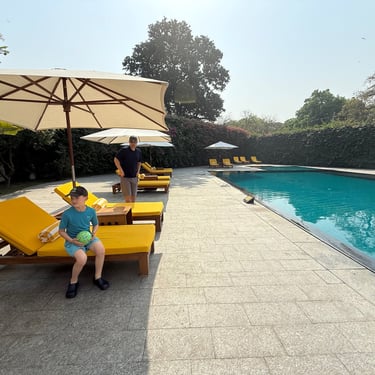
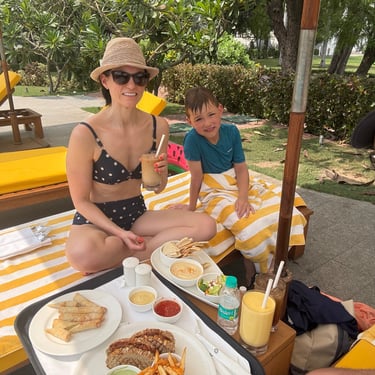
While the Golden Triangle route (Delhi, Agra and Jaipur) doesn’t include beaches, we found pool time incredibly important for balancing the trip with a child. After busy mornings visiting forts, markets and monuments, having a few hours by the pool helped everyone recharge.
All the hotels we stayed at — including Tajview Agra and Taj Devi Ratn Resort & Spa — had excellent pools and provided pool towels, so there was no need to pack large towels ourselves.
For pool days we packed:
Swimwear
Flip flops or pool sandals
A couple of small pool toys like balls or dive weights
These small extras made pool time much more fun for Joshua between sightseeing days.
Swim shoes can sometimes be helpful for rocky beaches or slippery surfaces at the pool. We packed them but didn’t actually need them in India, as the hotel pools were well maintained.
The key takeaway is simple: build in downtime. A few hours by the pool after exploring places like Amber Fort or the Taj Mahal made a huge difference to how enjoyable the overall trip felt for our family.
Essentials for Sightseeing Days
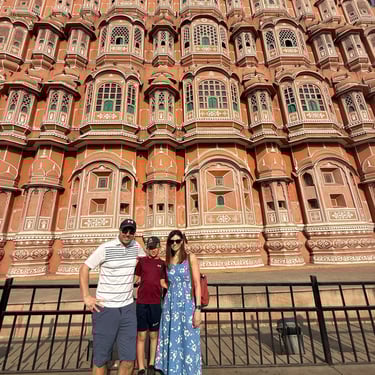
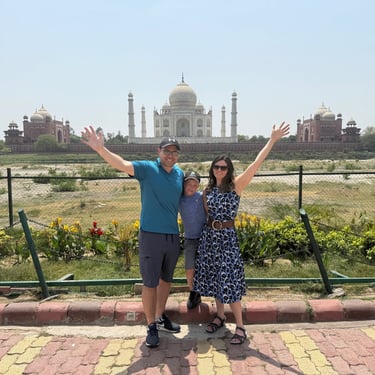
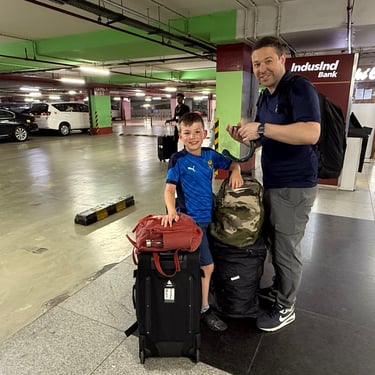
Golden Triangle sightseeing days often start early and include multiple stops. For example, visiting the Taj Mahal at sunrise means leaving the hotel before breakfast. Having a small backpack with the right essentials prevents tired or hungry children.
We always carried:
Lightweight backpack for snacks and sunscreen
Small snack supply for children (I often bring breadsticks, yo-yo's and rice cakes with me from the UK)
Tech & Entertainment
Essential tech for charging while in India and on the go.
We always bring:
Tablet or smartphone with headphones for the long journeys, we love a travel game but the tablet does play a part in a successful travel strategy with kids
Plug adaptor (India uses type C, D and M plugs)
Multi-USB charger Life safer if you find you are in a hotel room with limited plug sockets, we take this everywhere
Health & Travel Kit
Travel Health Kit
India is generally safe to travel with kids, but a small family health kit avoids pharmacy visits when you’re tired after a long day.
For more on safety see our guide: Is India Safe to Travel With Kids? A Realistic Family Assessment
If you’re planning travel health preparation, see: Do Kids Need Visas or Vaccinations for India? What Parents Must Arrange Before Travel
We packed:
Swimmers ear treatment (Joshua suffers with this)
Travel sickness pills (both boys suffer with this, helps on the long car journeys)
And honestly, thank goodness we did. During our trip my husband Mark ended up with a pretty rough stomach bug, and having the right medication already in our bag made things much easier than trying to explain what we needed in a pharmacy late at night.
If you're curious what caused it (and the lesson we learned), you can read the full story here: Food Safety in India: The Sugar Cane Juice That Took My Husband Out for Three Days
Insect repellent was also particularly useful during early morning visits to the Taj Mahal, when mosquitoes were noticeably active around sunrise, more on that here: Visiting the Taj Mahal with Kids: Best Times, Tips & Nearby Activities
Packing Strategy: Small Tricks That Make Family Travel Easier
A few simple packing strategies made a noticeable difference on our India trip. When you’re moving between cities like Delhi, Agra and Jaipur, being organised saves a lot of time repacking bags and searching for items.
Use Packing Cubes
Packing cubes are one of the easiest ways to keep family luggage organised. Instead of everything being loose in one suitcase, each person’s clothing can be separated into different cubes. This makes it much easier to unpack quickly in hotels and keep track of clean versus worn clothes.
Choose Suitcases with Split Compartments
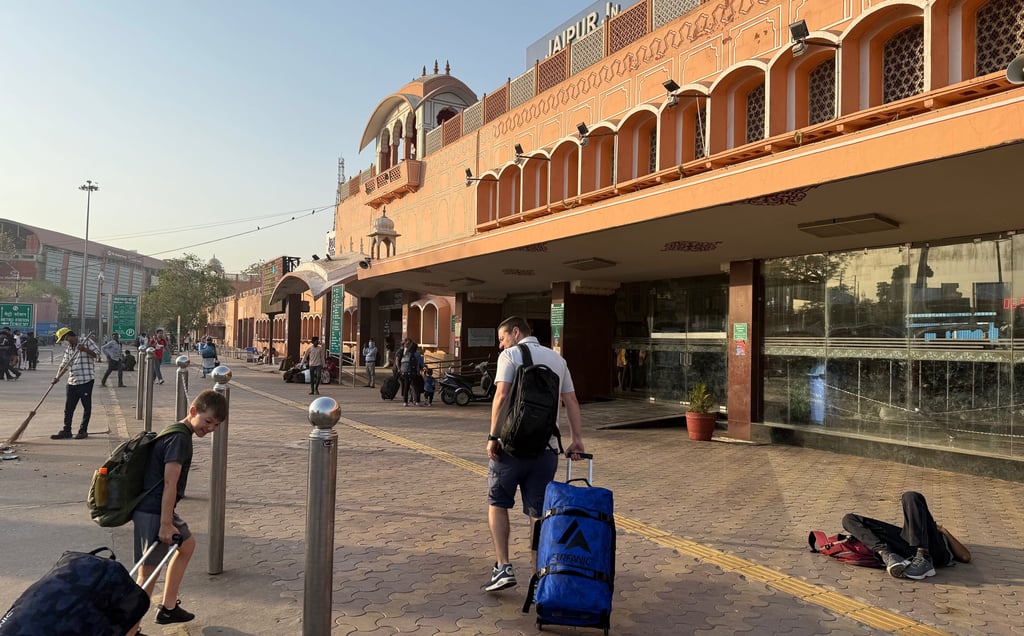
For longer family trips we use Surfanic Maxim roller bags, which have a split-level design. This allows you to separate: clean clothes, dirty laundry, wet swimwear or pool gear.
This design makes hotel repacking far quicker when moving between destinations on the Golden Triangle route.
Track Your Luggage with AirTags
Adding an AirTag tracker to each suitcase is one of the easiest ways to reduce stress when travelling long haul. If luggage is delayed or ends up on the wrong carousel, you can quickly see where it is through the tracking app. For family trips this provides a surprising amount of peace of mind. We don’t actually buy the more expensive Apple AirTag version — the tracker we’ve linked is the one we personally use. It’s much cheaper and has always worked reliably for us.
Optional but Useful Items
These aren’t essential but can make travel easier.
Travel pillow for flights or trains
Travel laundry detergent
Children especially appreciate small comforts during early mornings or long transfers.
How we capture our memories
Alongside the iphone we also used an Insta360 camera which worked brilliantly for capturing moments during sightseeing, especially alongside the invisible selfie stick.
A Practical Tip for Kids’ Sleeping Arrangements
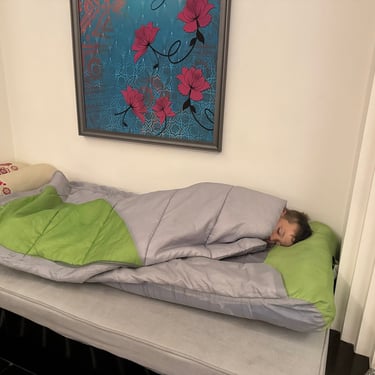
One thing that surprised us in India is that many hotel rooms are set up primarily as double rooms, and children around Joshua’s age (8) are often expected to share the bed with their parents. Some hotels do offer a rollaway or pull-out bed, but not all properties have them available. Even when they do, they often charge an additional £15–£25 per night. Our solution might sound a little unconventional, but it has worked brilliantly for us across several trips in Asia. We pack a small inflatable airbed and mini pump in our suitcase. It takes up surprisingly little space and fits easily into one half of the Surfanic suitcase I recommended earlier. With the pump, it takes less than a minute to inflate, and Joshua has always been perfectly happy sleeping on it. The version we use also includes a built-in pillow and sleeping bag, which makes it even easier to set up. It has saved us a noticeable amount of money across longer trips and avoids the uncertainty of whether a hotel will have an extra bed available. We first started doing this when travelling around Thailand, and it’s proven just as useful in India where family room configurations can sometimes be limited.
Don’t Forget Before You Travel
Two things that make travel in India much easier are reliable mobile data and good travel insurance. Both are simple to arrange before departure and save a lot of hassle once you arrive.
Mobile Data (eSIM)
We used an Airalo eSIM so we could activate mobile data before landing and have internet as soon as we arrived. This meant we could immediately use Google Maps, contact drivers, confirm hotel directions and translate menus if needed.
Travel Insurance
Travel insurance is essential when visiting India with kids. While cities like Delhi and Jaipur have excellent private hospitals, treatment can be expensive without coverage and travel disruption can quickly add up. We recommend Just Travel Cover, which compares multiple insurers so you can choose the policy that best fits your trip.
Key Takeaways
Packing for India with kids doesn’t need to be complicated. Focus on:
Comfortable clothing and shoes for long sightseeing days
Sun protection and hydration
Basic health supplies
Lightweight bags for daily exploring
India can feel intense at times, but with the right preparation it becomes far easier to manage.
If you’re still planning your trip, these guides will help:
Is the Golden Triangle Good for Kids? What Parents Should Know Before Visiting India
Train vs Car for the Golden Triangle: What Works Best for Families?
How Much a 10-Day Golden Triangle Family Trip Costs (With Real Numbers)
With a practical packing strategy, the Golden Triangle becomes a far smoother family adventure than many parents expect. Check out our India Hub for more trip planning guidance and top tips.