
How to Plan a Golden Triangle Family Trip: Flights, Trains, Hotels & Budget Guide
Plan a family trip to India’s Golden Triangle with practical advice on flights, visas, trains, hotels and budgeting for Delhi, Agra and Jaipur.
INDIAASIA
4/6/20266 min read
Some links in this post are affiliate links. If you book through them, we may earn a small commission — at no additional cost to you. We only recommend hotels, tours, and experiences we’ve personally used and loved.
Planning a family trip to India can feel overwhelming at first. Between visas, trains, hotels and navigating three very different cities, there are quite a few moving parts.
The good news is that the Golden Triangle route — Delhi, Agra and Jaipur — is one of the easiest ways to experience India with kids. The infrastructure is well established, the distances are manageable, and there are plenty of comfortable hotels and organised transport options.
The key is planning the trip in the right order: flights first, then visas, transport between cities, hotels and finally budgeting for the overall experience.
If you're still deciding whether this route works well for families, start here: Is the Golden Triangle Good for Kids? What Parents Should Know Before Visiting India
What Is the Golden Triangle (And Why It Works Well for Families)
The Golden Triangle is the most famous travel route in North India, connecting Delhi, Agra and Jaipur. The three cities form a rough triangle on the map and together showcase some of India’s most important history, architecture and culture.
Within a relatively short distance you can experience:
the bustling capital city of Delhi
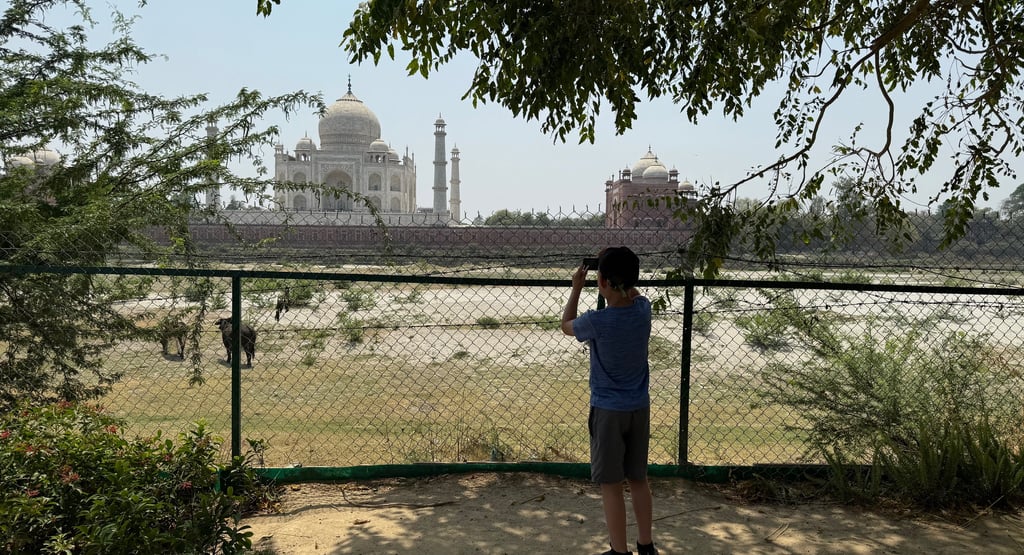
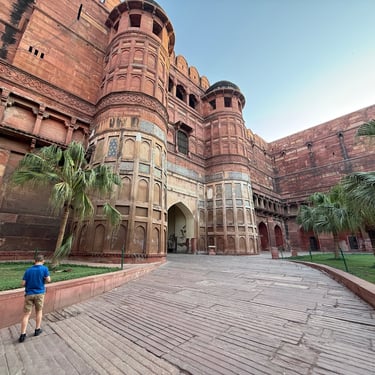
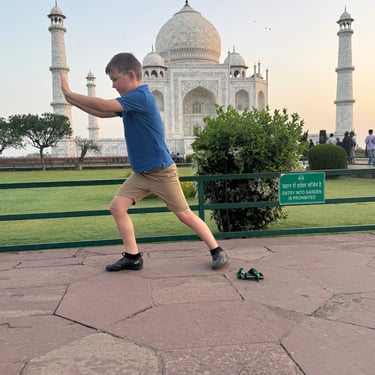
the iconic Taj Mahal in Agra
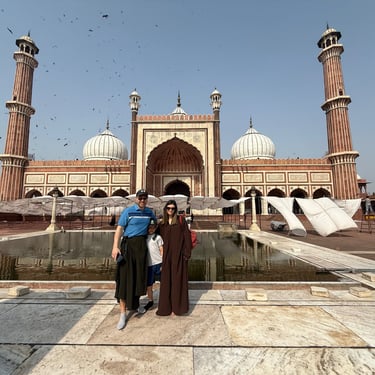
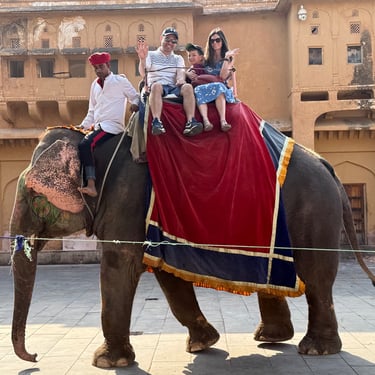
the colourful forts and palaces of Jaipur, including Amber Fort
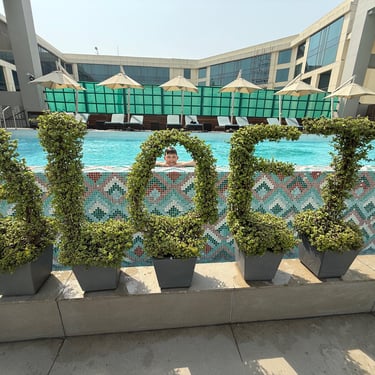
For families, the Golden Triangle works particularly well because the route is manageable and well set up for visitors. Distances between cities are reasonable, transport is straightforward, and there are many comfortable hotels with pools where children can relax between sightseeing days.
It also offers a good balance of experiences. Children can explore large forts, ride rickshaws through markets, visit historic monuments and still have downtime at the hotel pool in the afternoon.
For a detailed day-by-day example of how the trip can work with a child, see: A Practical 10–14 Day Family Golden Triangle Itinerary (Delhi → Agra → Jaipur)
Step 1: Decide When to Go
Your travel dates will usually be determined by school holidays, but timing can influence both the weather and how relaxed the trip feels.
February half term offers some of the best temperatures (around 20–25°C), making sightseeing comfortable. The main limitation is time, as one week can feel quite rushed for the Golden Triangle.
Easter holidays are what we chose. Temperatures are warmer (often 30°C+ in the afternoon), but having nearly two weeks allowed us to travel at a slower pace with rest days and pool time between visits to places like the Taj Mahal and Amber Fort.
Summer holidays (June–August) are the hottest months, often reaching 40°C, which makes daytime sightseeing challenging.
October half term and December holidays both offer cooler, more comfortable weather, but flights and hotels can be more expensive and the shorter October break may feel rushed.
For our family, Easter provided the best balance of trip length, manageable weather and a relaxed pace.
2. Book Flights
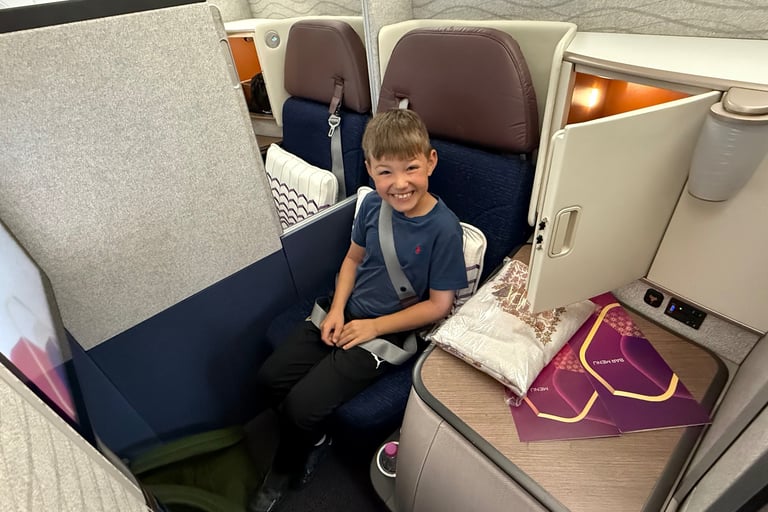
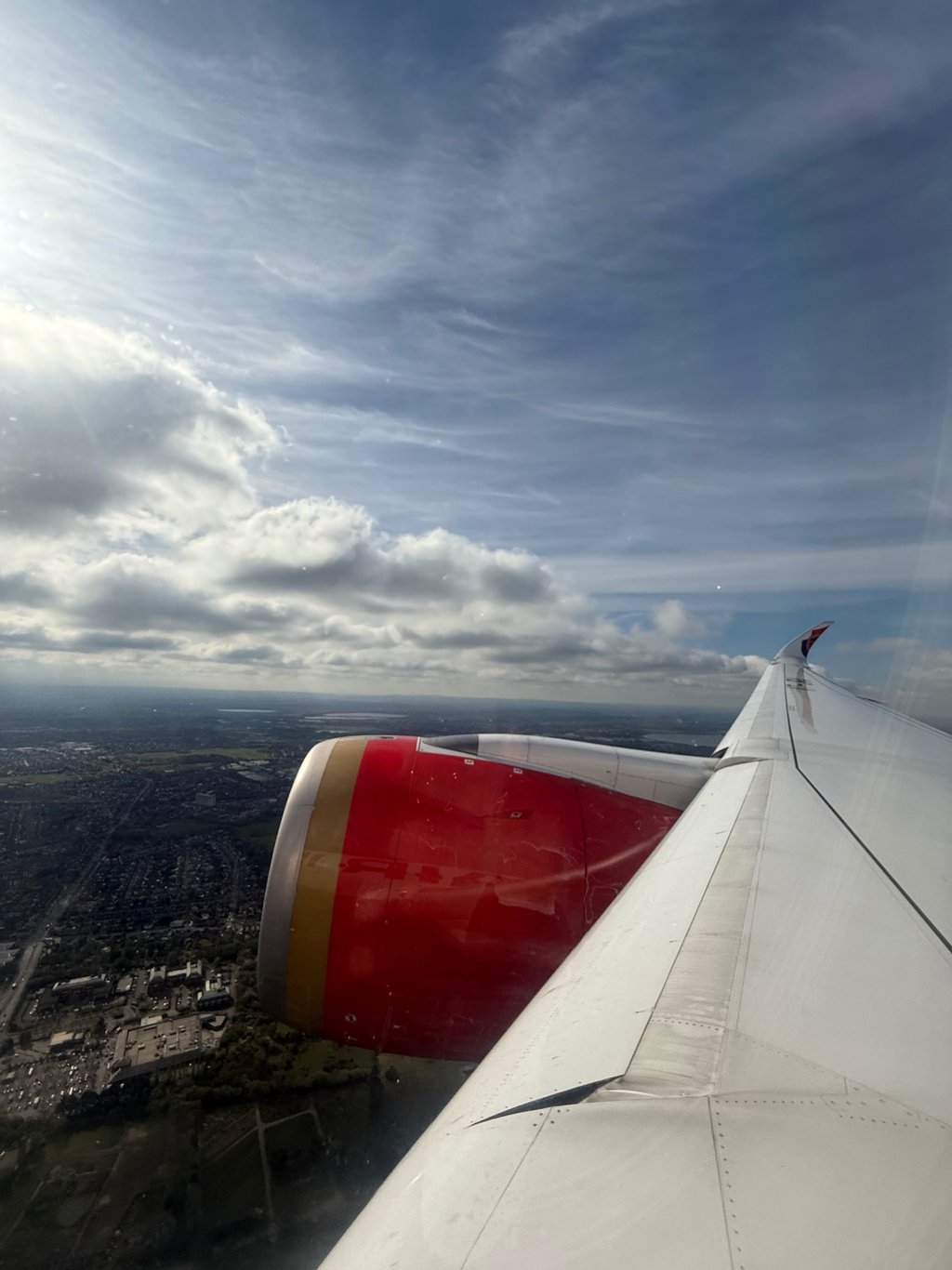
Flights will usually be the largest cost of the trip, so it makes sense to book these first. Most international travellers fly into Delhi, which is the natural starting point for the Golden Triangle. We flew with Air India from London Heathrow. Our flights were a mix of premium economy and business class because we found a good deal, although economy tickets on this route typically cost £450–£900 depending on season and school holidays. Once flights are booked, you can plan the rest of the trip around your arrival and departure times.
3. Apply for Visas
All travellers entering India need a visa, including children. The simplest option is the India eVisa, which is completed online before travel. Each traveller must apply separately and provide passport details and an arrival date. One detail to watch is the entry date on your visa. If your flight arrives late at night and immigration takes time, you want to be sure your visa remains valid.
For a full explanation of visas and vaccinations, see: Do Kids Need Visas or Vaccinations for India? What Parents Must Arrange Before Travel
4. Plan Transport Between Cities
The Golden Triangle route is compact but still requires some planning.
Typical travel distances are:
Delhi → Agra: around 200 km
Agra → Jaipur: around 240 km
Jaipur → Delhi: around 280 km
Families usually choose between trains, private drivers or organised tours. Trains can often be the fastest option between Delhi and Agra, while private drivers allow you to stop at interesting places along the way.
For example, travelling between Agra and Jaipur by car allows stops at:
Fatehpur Sikri
Chand Baori
For more detailed to support your decision on travel and tours, see:
Train vs Car for the Golden Triangle: What Works Best for Families
Self-Guided vs Private Tours in India: Which Works Better with Kids?
5. Choose Family-Friendly Hotels
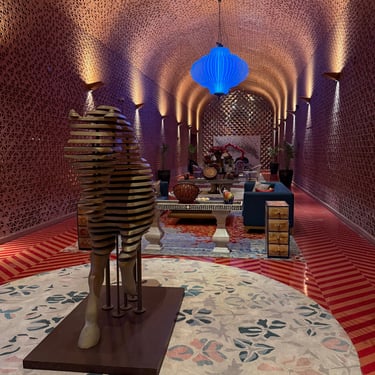
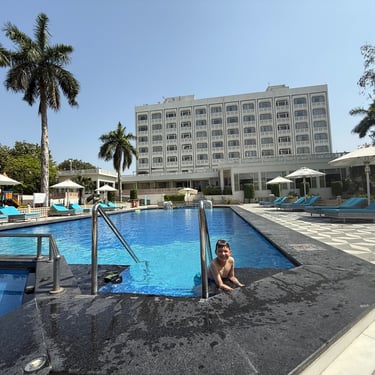
Hotel choice can make a big difference when travelling with kids. Busy sightseeing days, heat and early starts mean that having somewhere comfortable to relax in the afternoon becomes important. We booked all our hotels ourselves via Hotels.com, which made it easy to compare family-friendly options and use reward points. I’ve linked the hotels we stayed in below to help with planning.
We prioritised hotels with:
swimming pools
breakfast included
larger rooms
calm environments
For example:
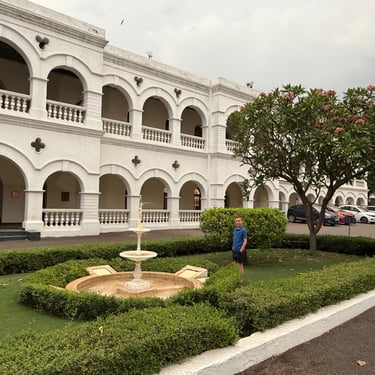
Maidens Hotel offered gardens and a pool in Delhi.
Tajview Agra provided Taj views and a pool for downtime after early morning sightseeing.
Taj Devi Ratn Resort & Spa had a games room and pool which worked brilliantly with a child.
Aloft New Delhi Aerocity was a convenient final-night stay near the airport.
For more hotel suggestions across the route see: Family-Friendly Hotels Along India’s Golden Triangle
6. Plan What to See in Each City
Each Golden Triangle city offers a different experience, so it helps to plan your highlights in advance.
Delhi is the busiest, with historic monuments, parks and markets.
Best Things to Do in Delhi with Kids During School HolidaysAgra is centred around one extraordinary highlight — the Taj Mahal — along with a few other historic sites.
Best Things to Do in Agra with Kids Beyond the Taj MahalJaipur offers forts and palaces that feel almost like exploring a giant outdoor museum.
What to Do in Jaipur with Kids: Forts, Palaces & Fun Activities.
Each Golden Triangle city offers a different experience, so it helps to plan your highlights in advance. Many families find it works best to structure days with morning sightseeing and afternoon rest, particularly in warmer months.
7. Plan Your Budget
India can be travelled on a wide range of budgets. On our first visit ten years ago, Mark and I did the Golden Triangle on a basic three-day package tour costing £360 for two people, including hotels.
Travelling with Joshua, we chose a longer and more comfortable trip with family-friendly hotels and downtime built in.
Our key costs were roughly:
Hotels: £1,877.35 total
Transport and tours: £160 per person
Flights: the largest cost depending on season and class
One advantage of travelling in India is that many everyday costs remain relatively low, including monument entry tickets, transport and meals.
For a full breakdown of what we spent across flights, hotels, food and tours, see: How Much a 10-Day Golden Triangle Family Trip Costs (With Real Numbers)
Cash in India
You will also need some cash in Indian rupees, as smaller ticket offices and markets often prefer cash. We brought a small amount of Indian currency before we went, note that not all providers offer rupees. Once in India, we found the easiest option was withdrawing cash from ATMs using Revolut or Monzo cards, which usually offer better exchange rates than airport exchange counters.
For a deeper look at where comfort upgrades make a difference with children, see: Budget vs Luxury Travel in India with Kids: Where Comfort Really Matters
8. Pack for the Climate
Finally, make sure you pack appropriately for the climate and sightseeing style. Hot weather early starts and long walking days mean items like sun protection, refillable water bottles and cooling towels are extremely useful.
For a full checklist see: What to Pack for India with Kids: A Practical Family Checklist
9. Check Vaccinations and Travel Insurance
Before travelling to India with children, speak to your GP or a travel clinic about recommended vaccinations. Advice varies depending on your itinerary, but common vaccines discussed for India include Hepatitis A, Typhoid and Tetanus boosters, with some travellers also advised on Hepatitis B or malaria tablets depending on where they are visiting.
Some GP surgeries offer travel vaccines, but availability can vary, so many travellers use private clinics such as Boots or Superdrug. For our trip, Joshua’s vaccinations were arranged through our GP while Mark and I visited a travel clinic.
It’s also important to arrange comprehensive travel insurance, as private medical care in cities like Delhi can be expensive without coverage. We recommend Just Travel Cover, which compares multiple insurers and helps you choose a policy that includes medical treatment, trip cancellation and baggage protection.
For full details on visas, vaccinations and travel preparation, see: Do Kids Need Visas or Vaccinations for India? What Parents Must Arrange Before Travel
Final Thoughts
Planning a Golden Triangle trip becomes much easier once you break it into steps. Choose your travel dates, book flights, organise visas, plan transport between cities, select comfortable hotels and then work out the sightseeing pace that suits your family. With the right preparation, the Golden Triangle offers one of the most accessible and rewarding introductions to India for families.